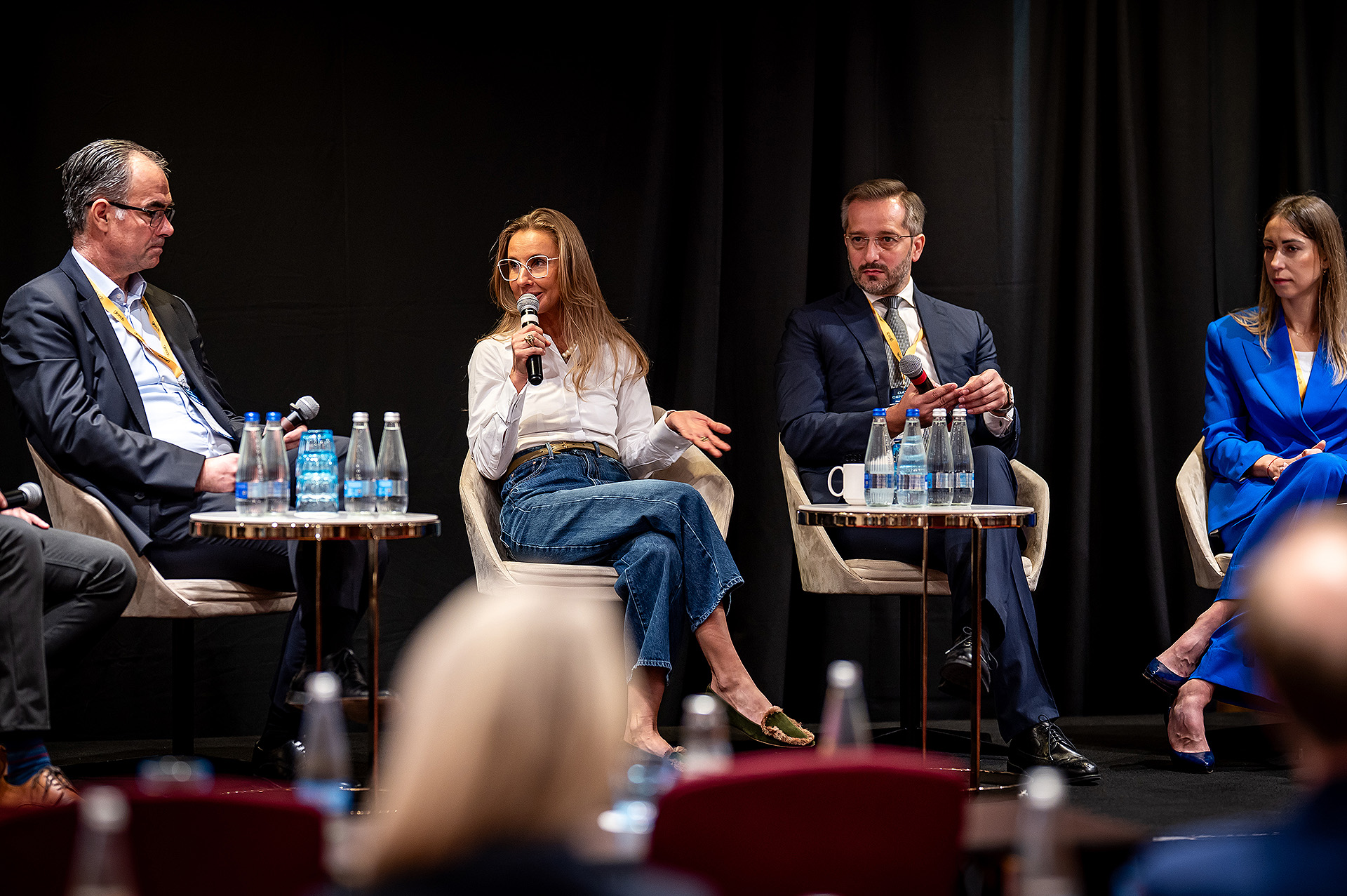
The main topics of the discussion on site selection for data centre campuses were: 🔹 access to power🔹 room for expansion🔹 a predictable



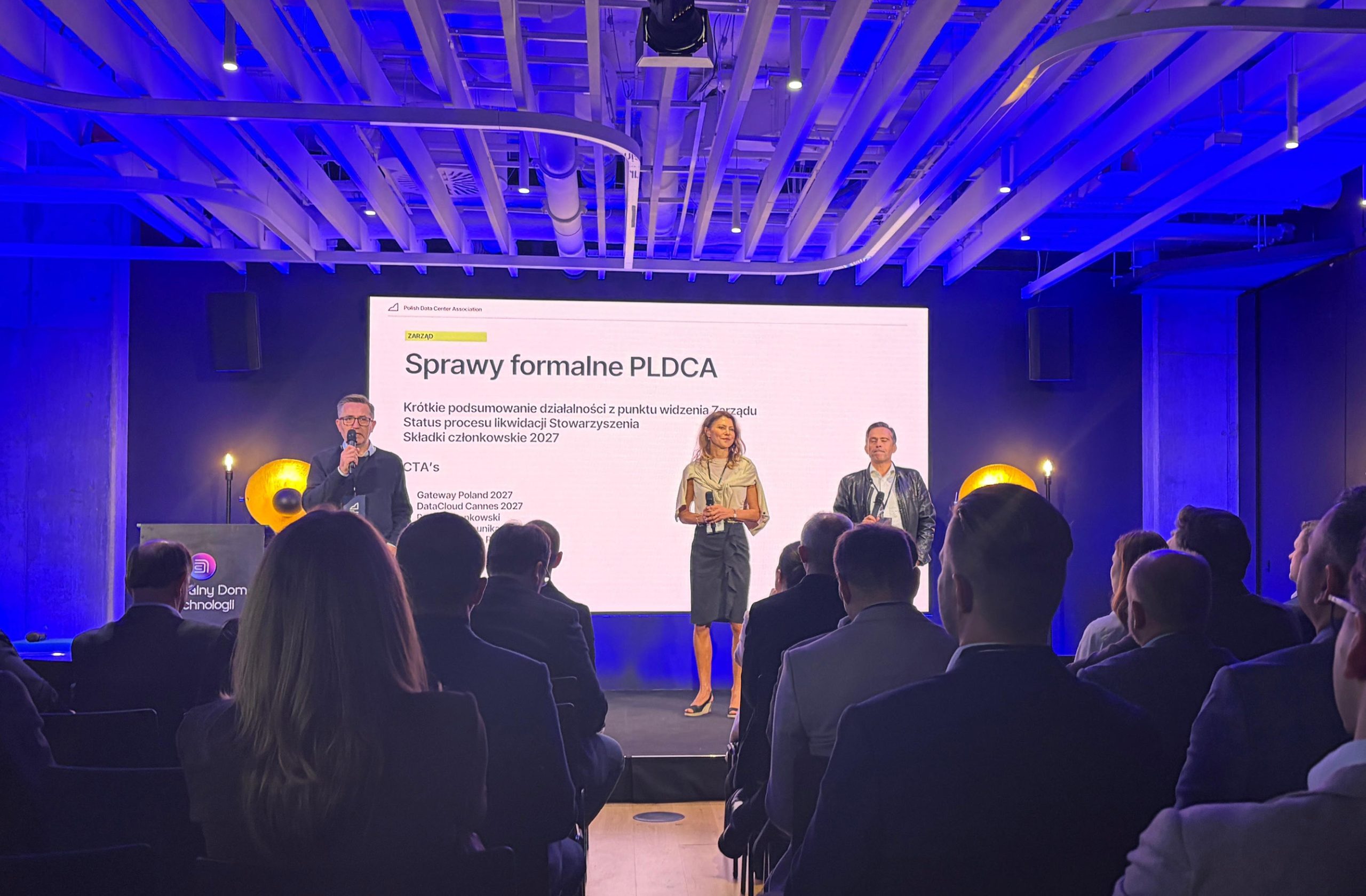
For Greenfields, membership in #PLDCA means much more than simply belonging to an industry association. It is an opportunity to actively participate in

A renewed sense of energy, greater openness to new opportunities, and a growing appetite to move projects forward – these were the positive

As a City Partner, we’ll be at Warsaw stand (A2.121) in the networking area We’re open to collaborations and partnerships that bring together
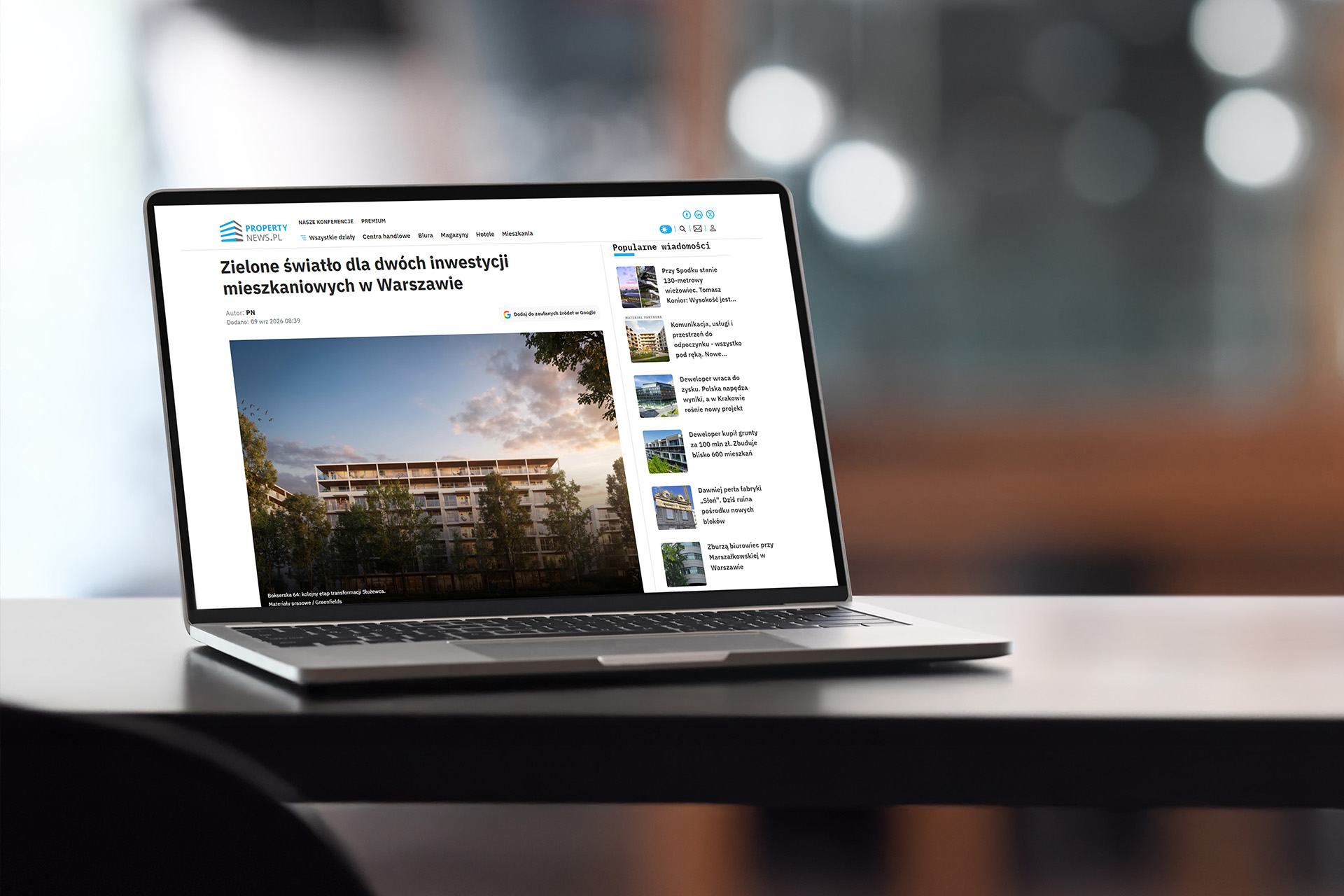
You can also read about our work, ongoing projects and the results we achieve beyond our own channels. https://www.propertynews.pl/mieszkania/zielone-swiatlo-dla-dwoch-inwestycji-mieszkaniowych-w-warszawie,201315.html
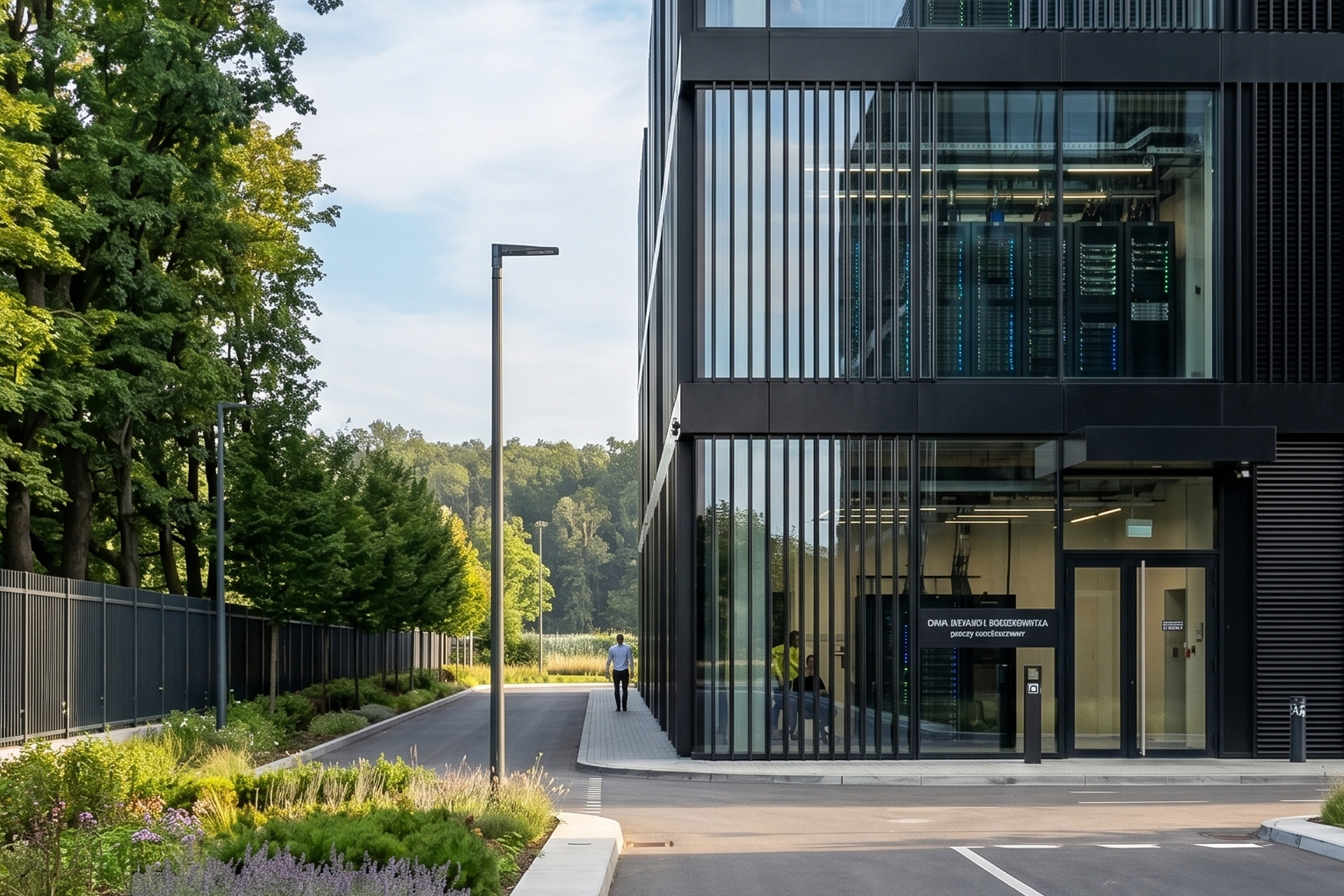
At Greenfields, we are currently managing a ZPI procedure in cooperation with a Data Center operator planning to develop a modern technology campus.
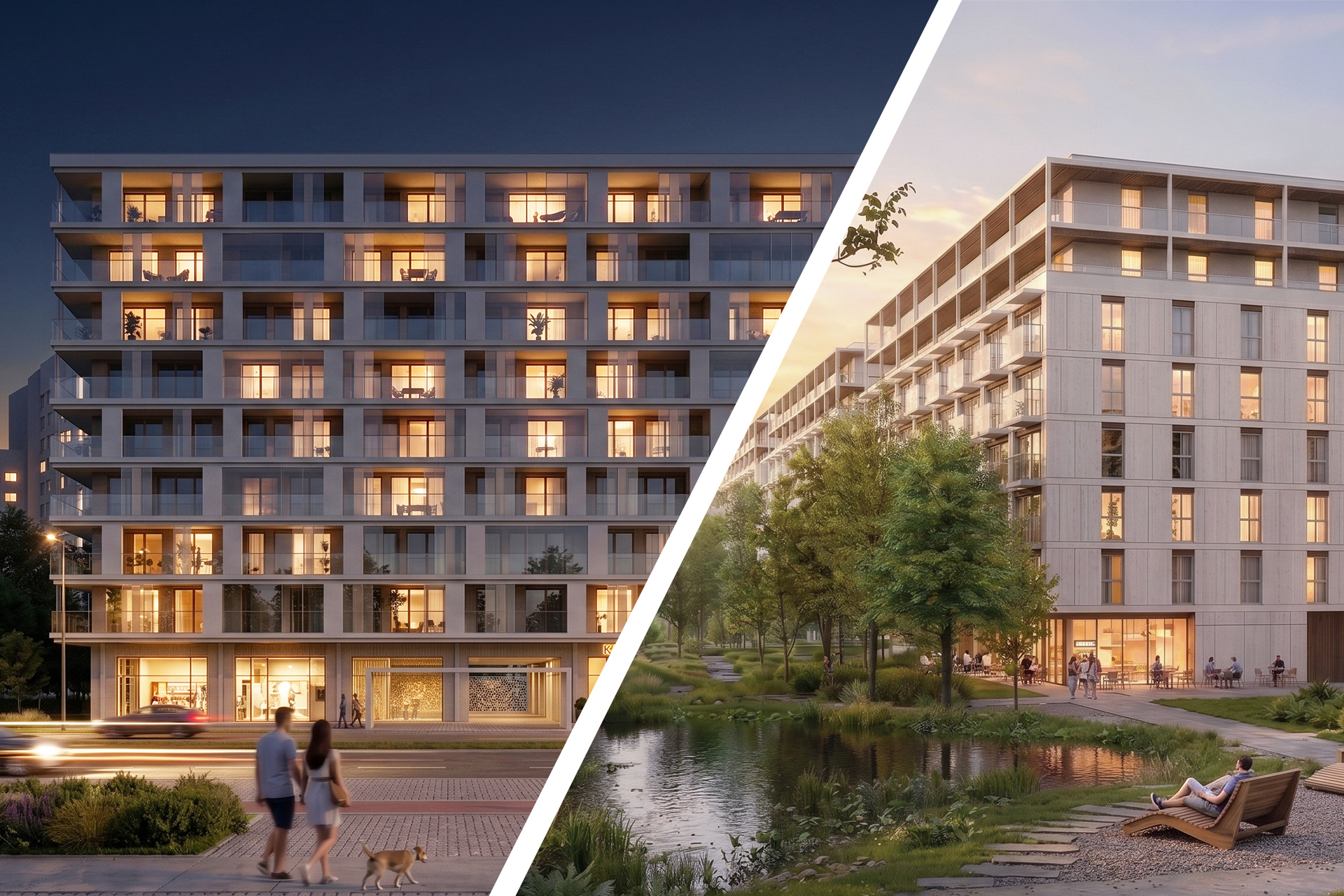
Two positive resolutions adopted during a single session of the Warsaw City Council mark a particularly significant milestone for us and the successful
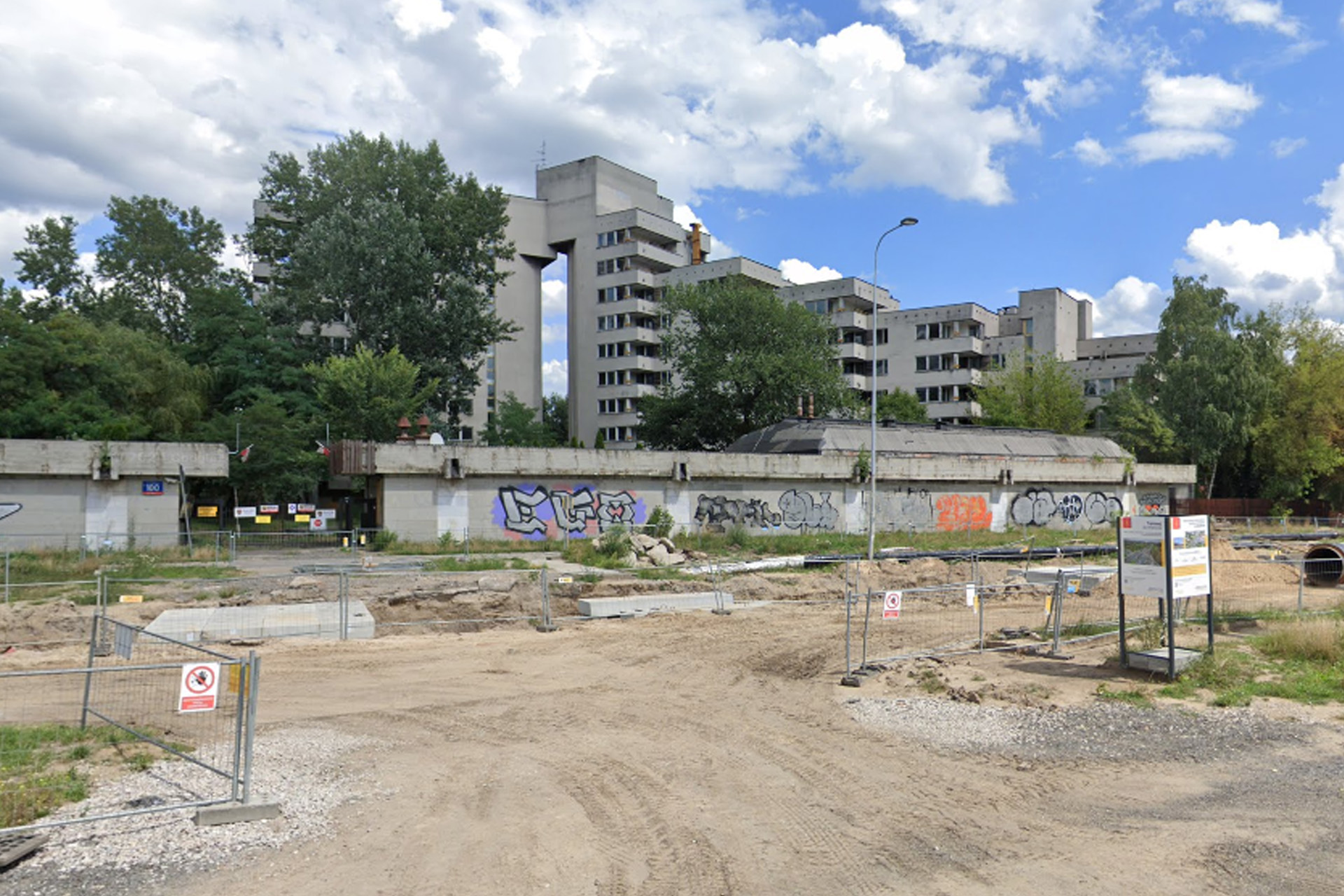
In December 2025, the City announced an architectural and urban design competition for the redevelopment of the site. Participants were tasked with preparing
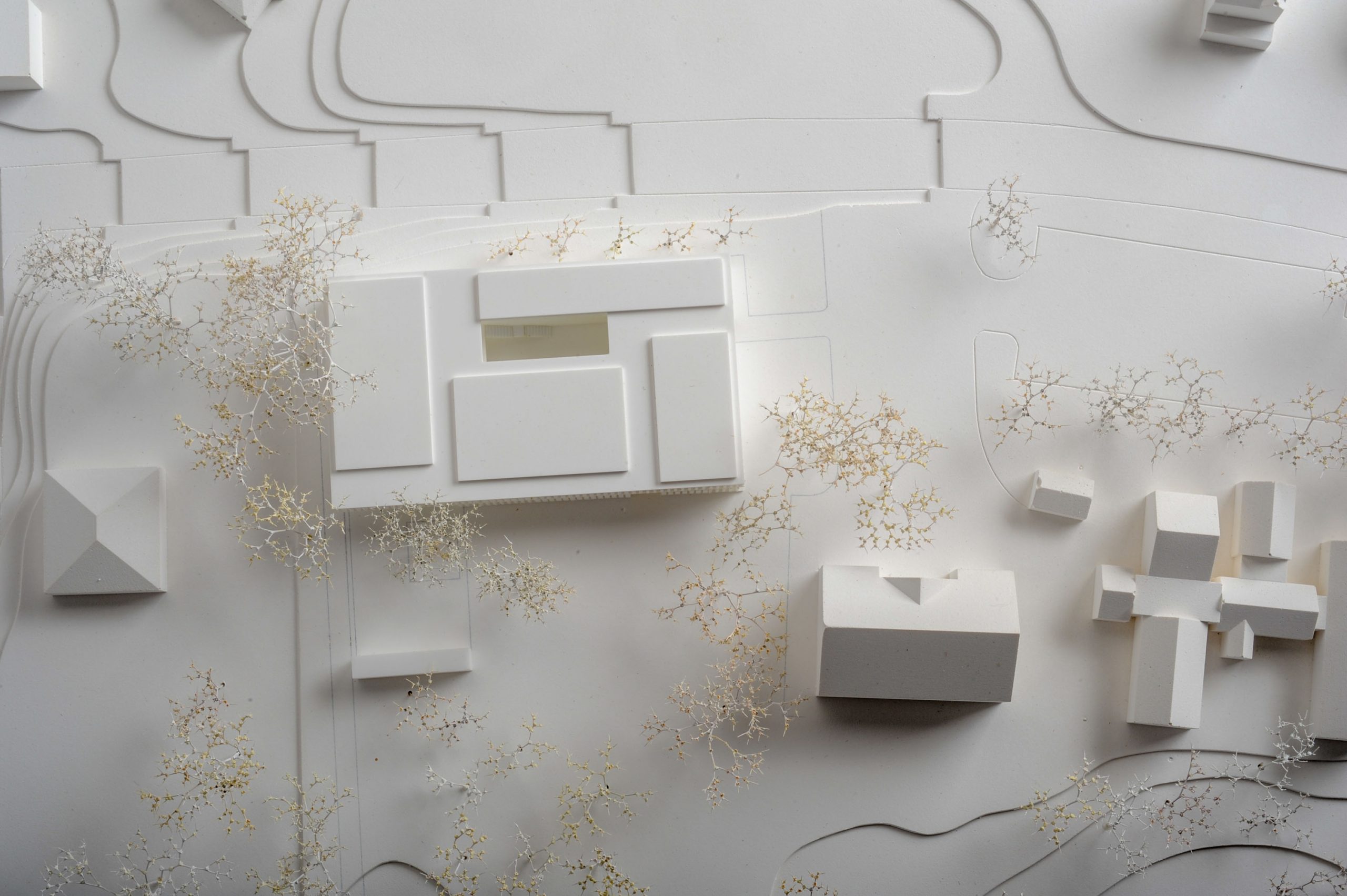
With ZPI, an attractive investor vision is not enough. The success of a project depends on whether the urban and architectural concept responds

Demand for well-prepared land, particularly for residential development in Poland’s largest cities, remains high. At the same time, investors are taking a much
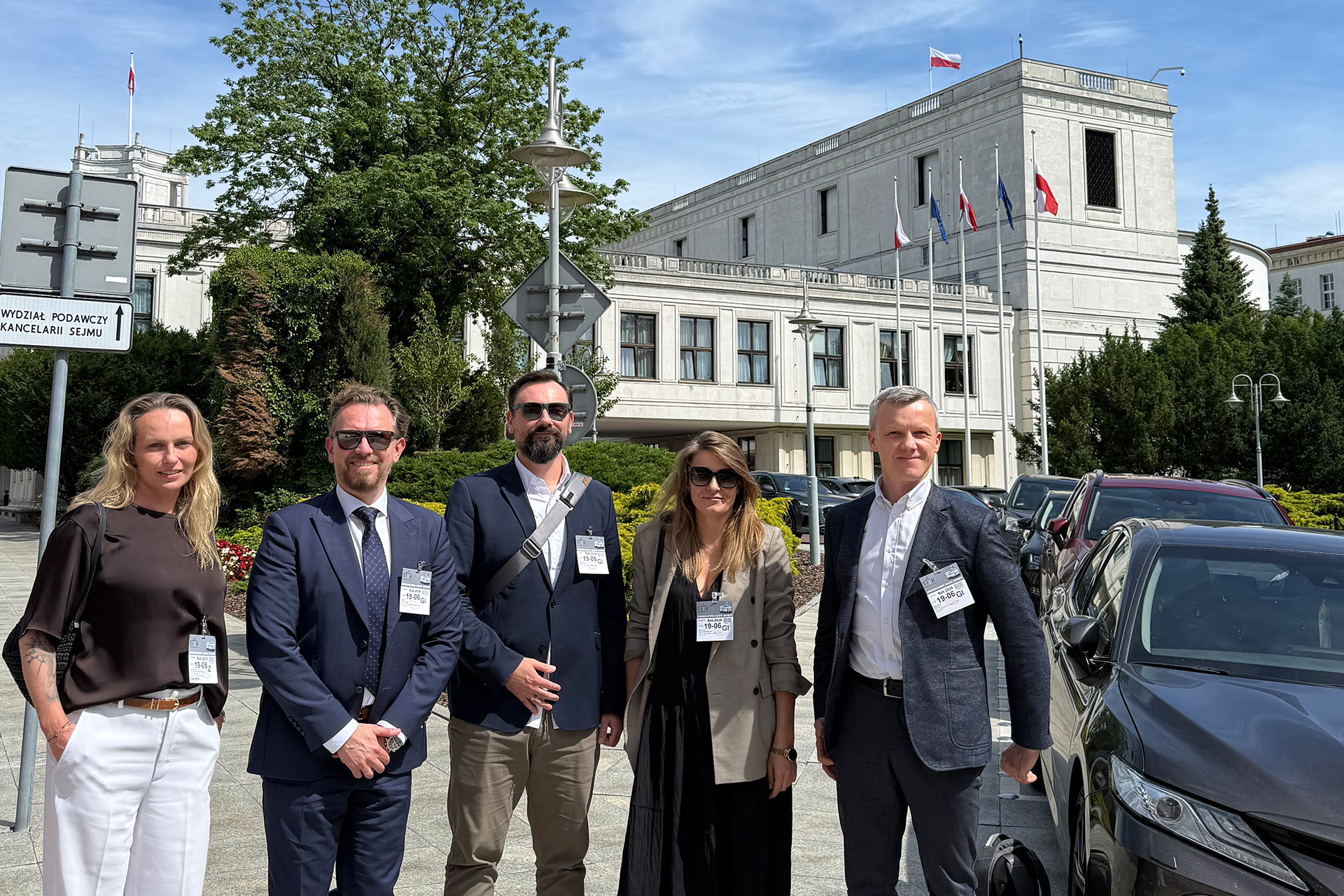
“Data Centers as Strategic Investments of the Future – the Role of the State and Support Instruments” The aim of the meeting was
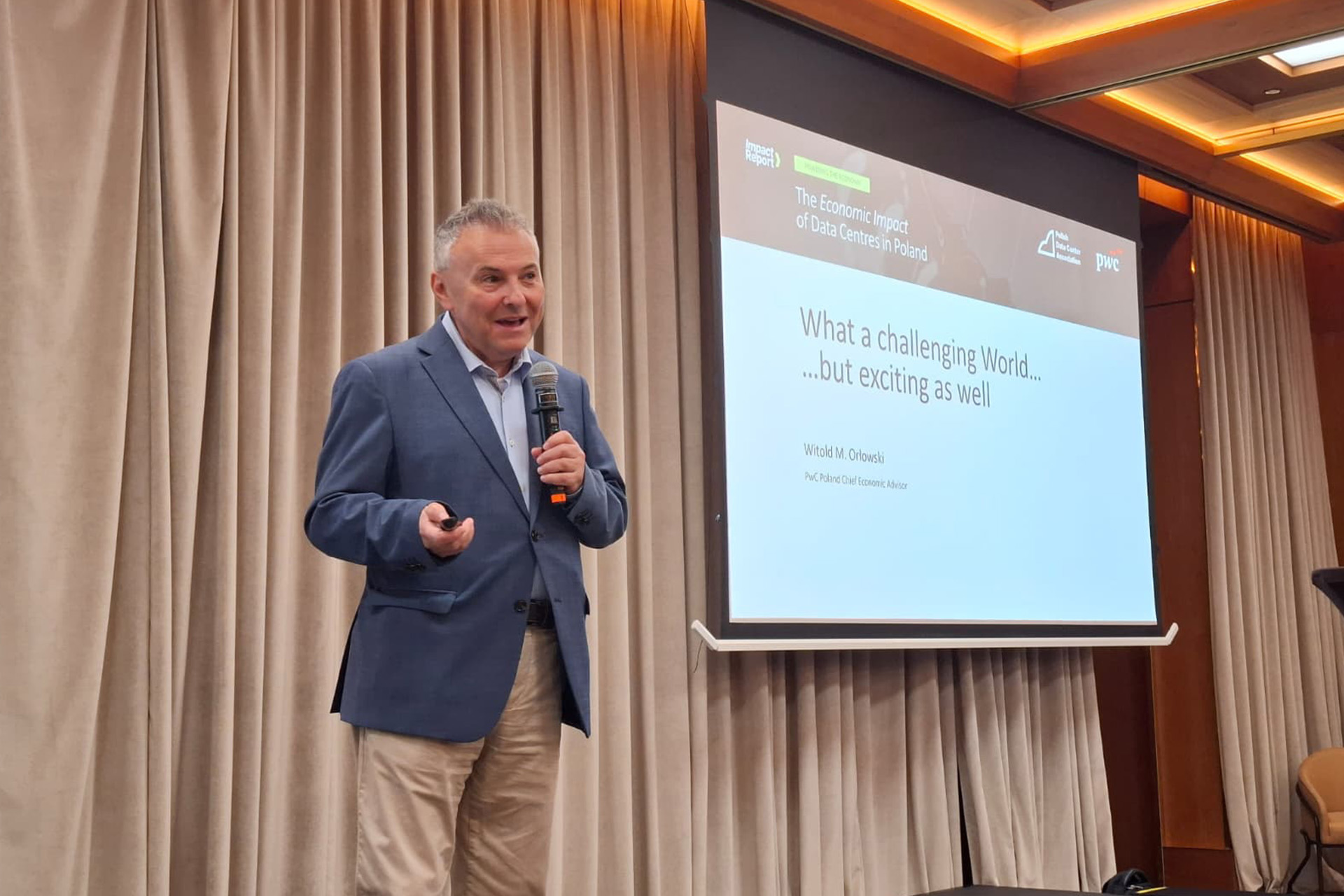
Key takeaway: the data center sector is becoming one of the important drivers of Poland’s economic growth and an increasingly significant element of