


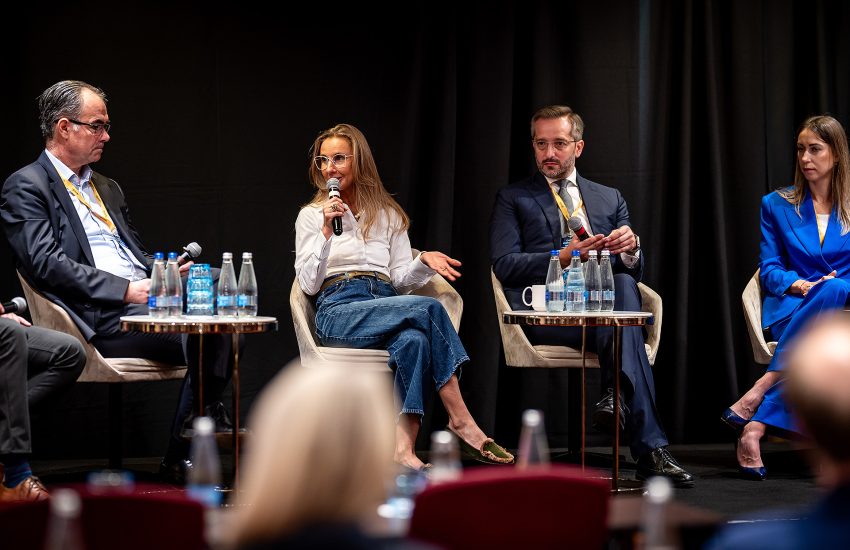
The main topics of the discussion on site selection for data centre campuses were:
🔹 access to power
🔹 room for expansion
🔹 a predictable development preparation timeline
🔹 thorough assessment of a site’s potential from the outset
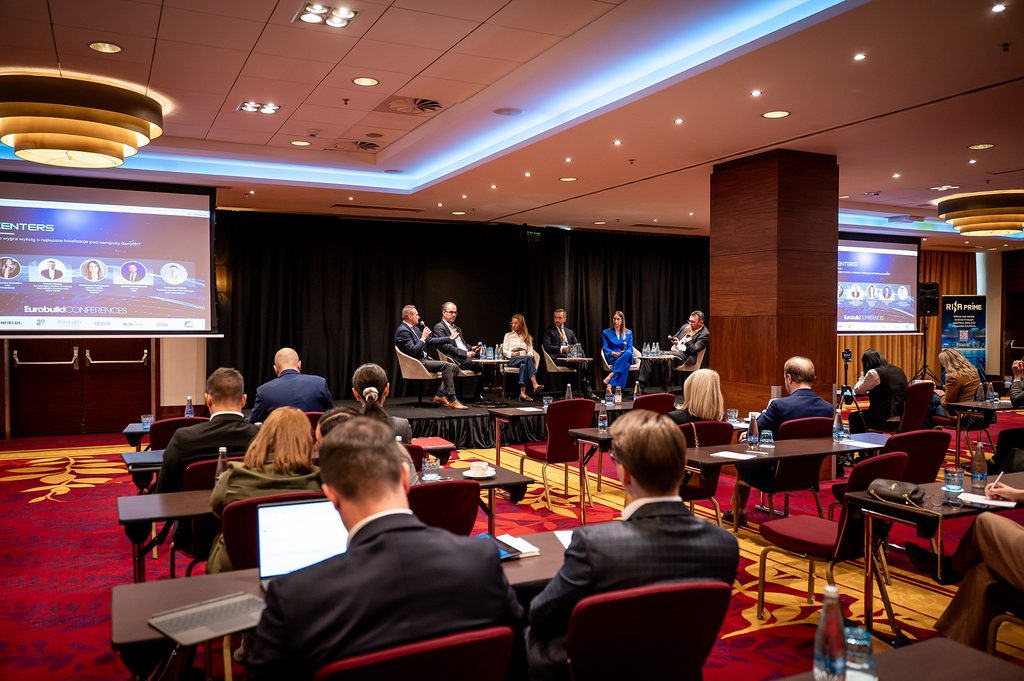
Poland has the land for AI. The question is: can we get it ready in time?
The growth of AI is changing more than how data centres operate. It is also reshaping Europe’s investment landscape and the criteria for site selection.
Until recently, the market was concentrated around Europe’s largest technology hubs. Today, locations outside major metropolitan areas are gaining importance by offering something equally valuable: power, room to grow and development certainty.
What does this mean for Poland’s real estate market?
▶️ Not every site next to a primary substation has access to power.
Proximity to electricity infrastructure offers potential, not a guarantee. What matters is the feasibility of a grid connection, available capacity, costs and the timeline for power delivery. The latter, in particular, can determine a project’s success.
▶️ The map of attractive locations is changing.
Training AI models does not always require proximity to major business centres. This creates new opportunities for industrial and brownfield sites, as well as locations outside major urban areas. These may well become home to the next large AI campuses.
▶️ Land value goes beyond plot size and permitted use.
Fibre connectivity, utility infrastructure, expansion potential, environmental conditions and planning requirements all contribute to a site’s investment appeal. The key question is not only what can be built, but also how quickly a project can move from concept to delivery.
▶️ Technology evolves faster than projects can be prepared for development
A campus designed today must meet the needs of technology that will be used several years from now. This makes design flexibility and early collaboration with technology partners increasingly important.
▶️ Data centres also need public understanding.
Concerns about water consumption, cooling and impacts on the surrounding area require specific answers, rather than general assurances. Transparency and open dialogue with local residents should be part of project preparation from the very beginning.
Poland has an opportunity to play a significant role in Europe’s AI infrastructure landscape. But land availability alone is not enough. We need thoroughly prepared sites, more efficient coordination of development processes and greater certainty around access to power.
Should we prepare land for AI before investors arrive?
Discussions about the growth of the data centre market increasingly focus on power availability. Yet an equally important question is: can we, as a market, prepare sites early enough for investments that are only just emerging on the horizon?
Preparing a large data centre campus requires the coordination of many independent workstreams, from securing grid connection capacity and navigating spatial planning and environmental approvals to ensuring the availability of other essential infrastructure.
Perhaps the next stage of Poland’s market development should involve a more proactive approach to preparing investment sites: locations whose potential has already been assessed, constraints identified and preparation timelines defined as precisely as possible.
This also creates opportunities for broader collaboration between landowners, developers, local authorities, operators and technology partners.
We should therefore shift the question from “Where can a data centre be built?” to “What do we need to do today so that an investor can actually bring it into operation there in a few years?”
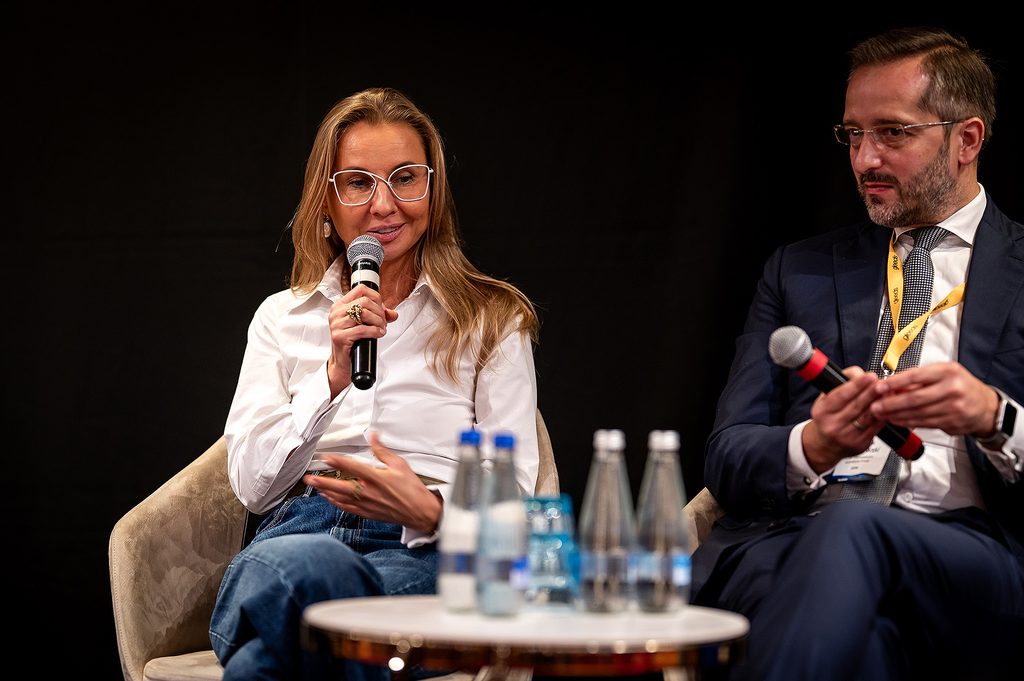
At Greenfields, this is precisely where we focus our efforts, combining expertise in real estate, spatial planning, infrastructure and development procedures.
The race for data centre campuses will be won by those who can turn land potential into tangible investment opportunities.
Thank you to our fellow panellists: Tomasz Stasiak, Arkadiusz Dorynek Dominik Strzałkowski Radosław Piedziuk Katarzyna Błaszkowska
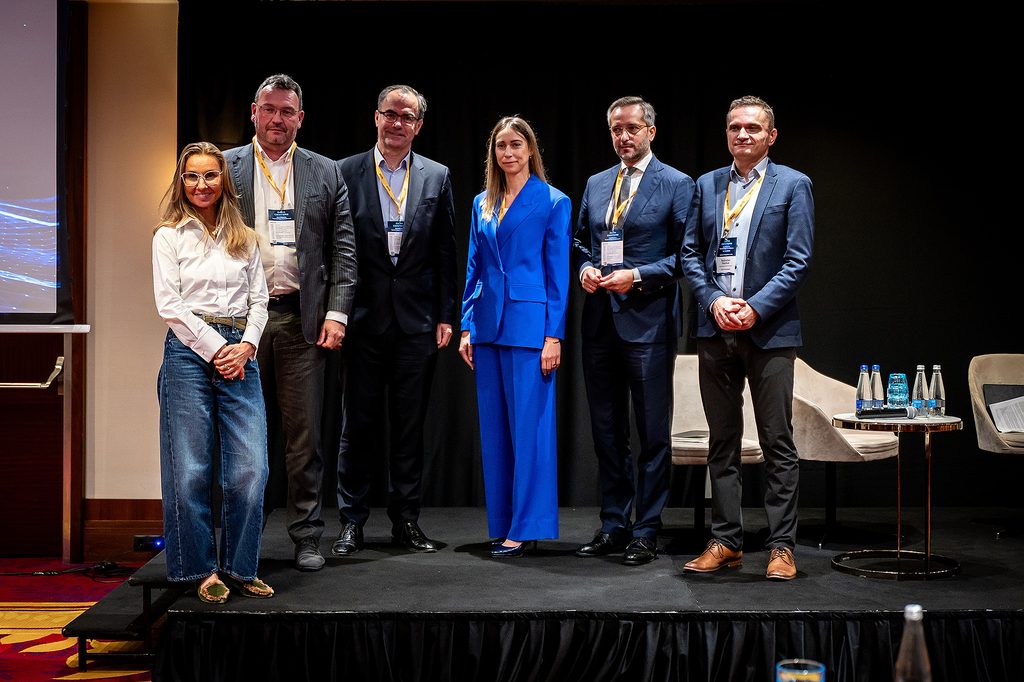
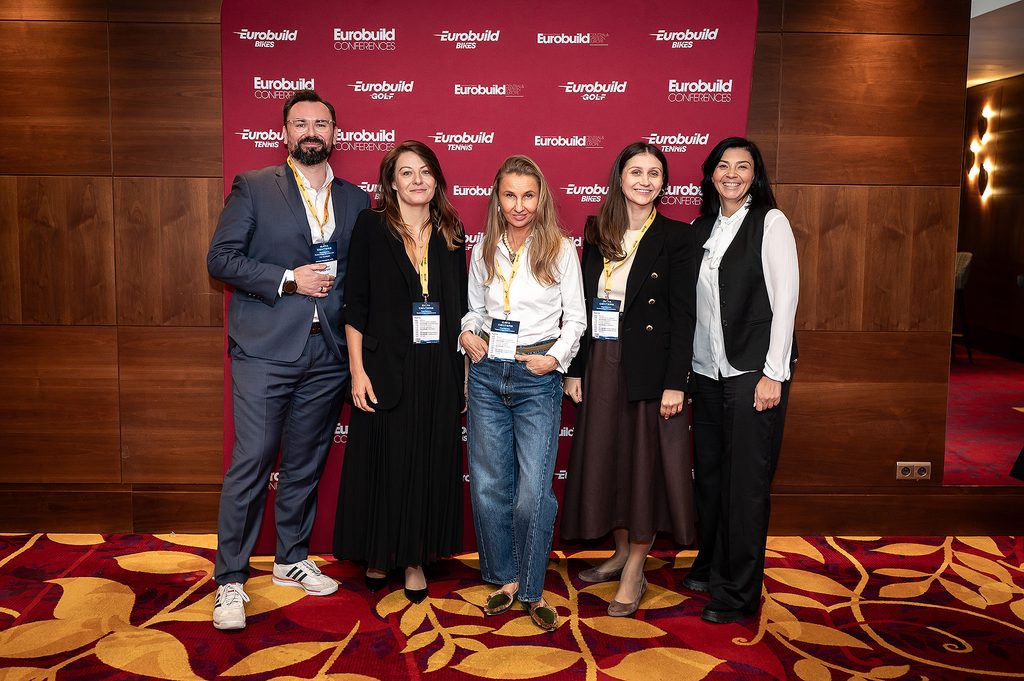
Photo: Greenfields
